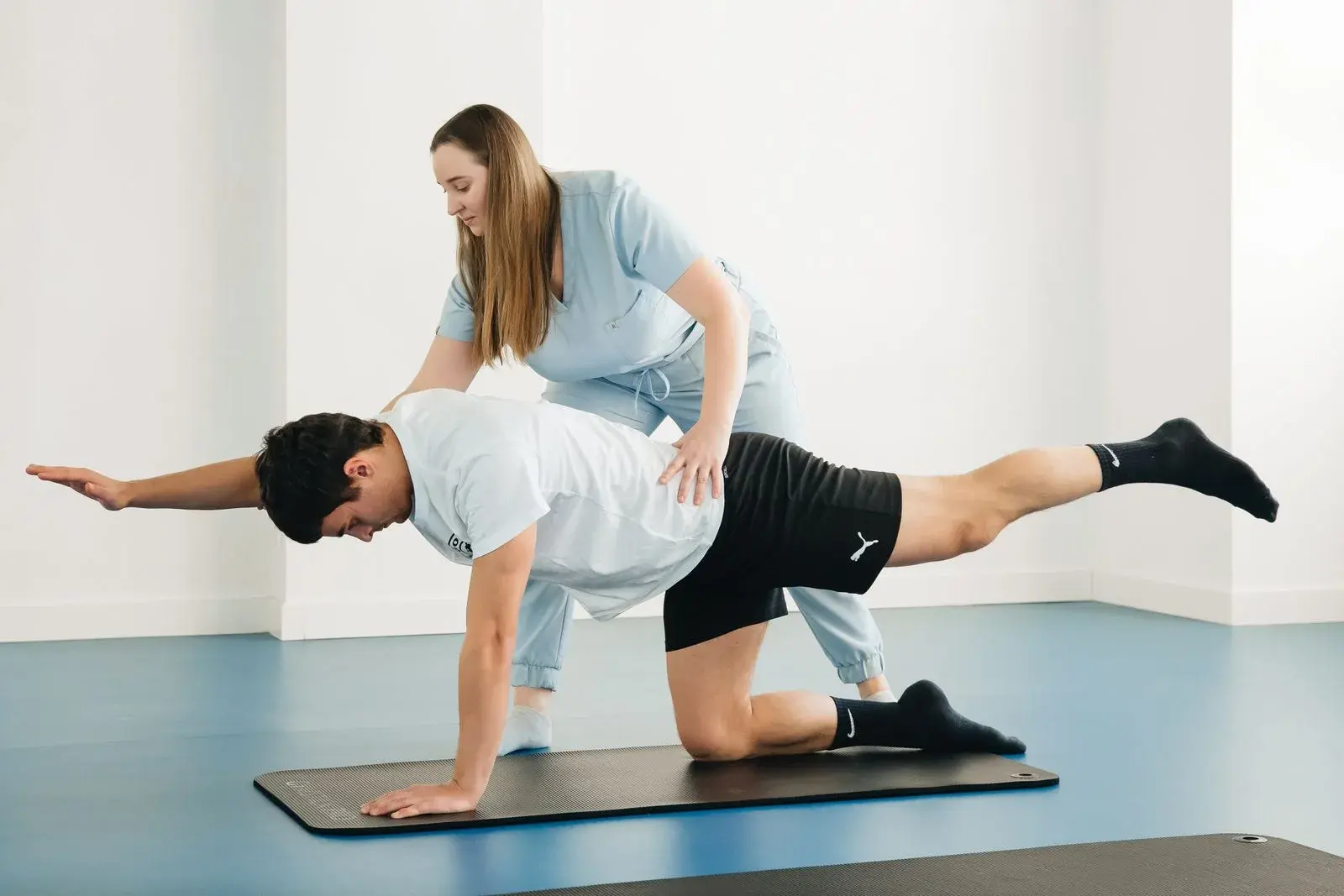
For the everyday athlete, too.
You do not have to be a competitive athlete to experience an activity-related injury. A weekend game, a new workout, or repetitive movement can change how your body feels. Describe both the activity and any recent increase in intensity when you seek care.
Pain is not a training target.
Do not push through a movement that causes injury pain. Marked swelling, an obvious deformity, or inability to bear weight needs medical attention. An outpatient clinic may not be the appropriate first destination for a serious acute injury.
An evaluation can help distinguish a problem that needs urgent treatment from one that can be managed with a planned recovery approach.
Bring your goal to the conversation.
Explain what you want to return to: a daily walk, a tennis match, an active job, or a regular gym routine. Ask how activity can be adjusted while the injury is assessed. Recovery planning should reflect the movement you need, not just a general instruction to feel better.
Ask whether rehabilitation or a specialist evaluation would help and what milestones matter before increasing activity. Return-to-sport decisions belong with the clinician who knows your injury.
Plan a visit, not a promise.
CMS Pain & Rehab can discuss evaluation of injury-related pain. Call to confirm whether the office is appropriate for your specific injury and which services or referrals may be needed. A booking is not a guarantee of a particular procedure or clearance.
Further reading
NIAMS · Sports injuries: diagnosis and treatmentThis content is for general education and visit planning. It does not establish a diagnosis, medical relationship, or treatment plan. Individual advice comes from your treating clinician.